
On pure lifespan, this one isn't close: a properly installed standing-seam metal roof lasts 40 to 70 years — two to three times what asphalt shingles deliver. If the only question is which roof you'll never have to think about again, metal wins, and it isn't a debate. But "which lasts longer" and "which is right for your house" are different questions, and we install both systems across Northeast PA, so we have no side to sell you. Here's the honest comparison, winter included.
Start with what our winters actually do to a roof, because that's the test both materials have to pass. Northeast PA puts a roof through repeated freeze-thaw cycles — meltwater creeps into small gaps by day, then freezes and expands by night. Snow can sit on a roof for weeks at a time, and ice dams build at the eaves and push water back uphill under the roofing. Asphalt shingles take this personally: freeze-thaw accelerates granule loss and cracking, and every winter of it costs some service life. That's not a reason to write asphalt off — a quality architectural shingle roof, installed with proper ice-and-water shield and ventilation, handles our climate well and remains the best balance of cost and durability for most homes. It just means winter is exactly where the differences between these two materials show up.
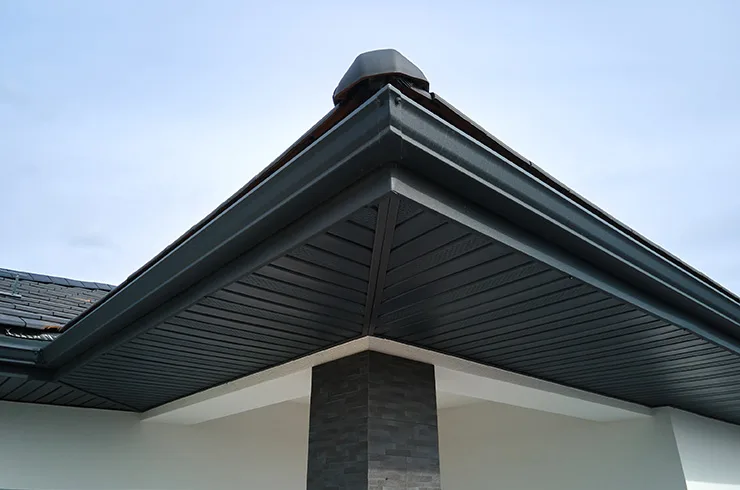
Metal's advantages read like a list of NEPA winter problems. Snow slides off a standing-seam roof instead of piling up, which cuts the load on the structure and takes away the standing snowpack that feeds ice dams. The panels run continuous from ridge to eave with concealed fasteners — no exposed screw heads to back out and leak, and far fewer seams for freeze-thaw to work on. Metal shrugs off the wind that comes through the valley, and in summer it reflects heat instead of soaking it in. That's why standing-seam metal roofing keeps winning over homeowners here who plan to be in their houses for the long haul.
Two myths are worth clearing up, because they stop a lot of homeowners from even considering metal. First, the rain noise: a modern metal roof is installed over solid decking and underlayment, and inside the house it's no louder than any other roof — the "tin roof" racket people remember comes from bare panels nailed over open framing, like a barn or a porch. Second, the look: today's standing-seam panels are clean, low-profile, and made for houses — they're the signature roof of the modern farmhouse style, and they sit just as naturally on the traditional homes you see across our region.
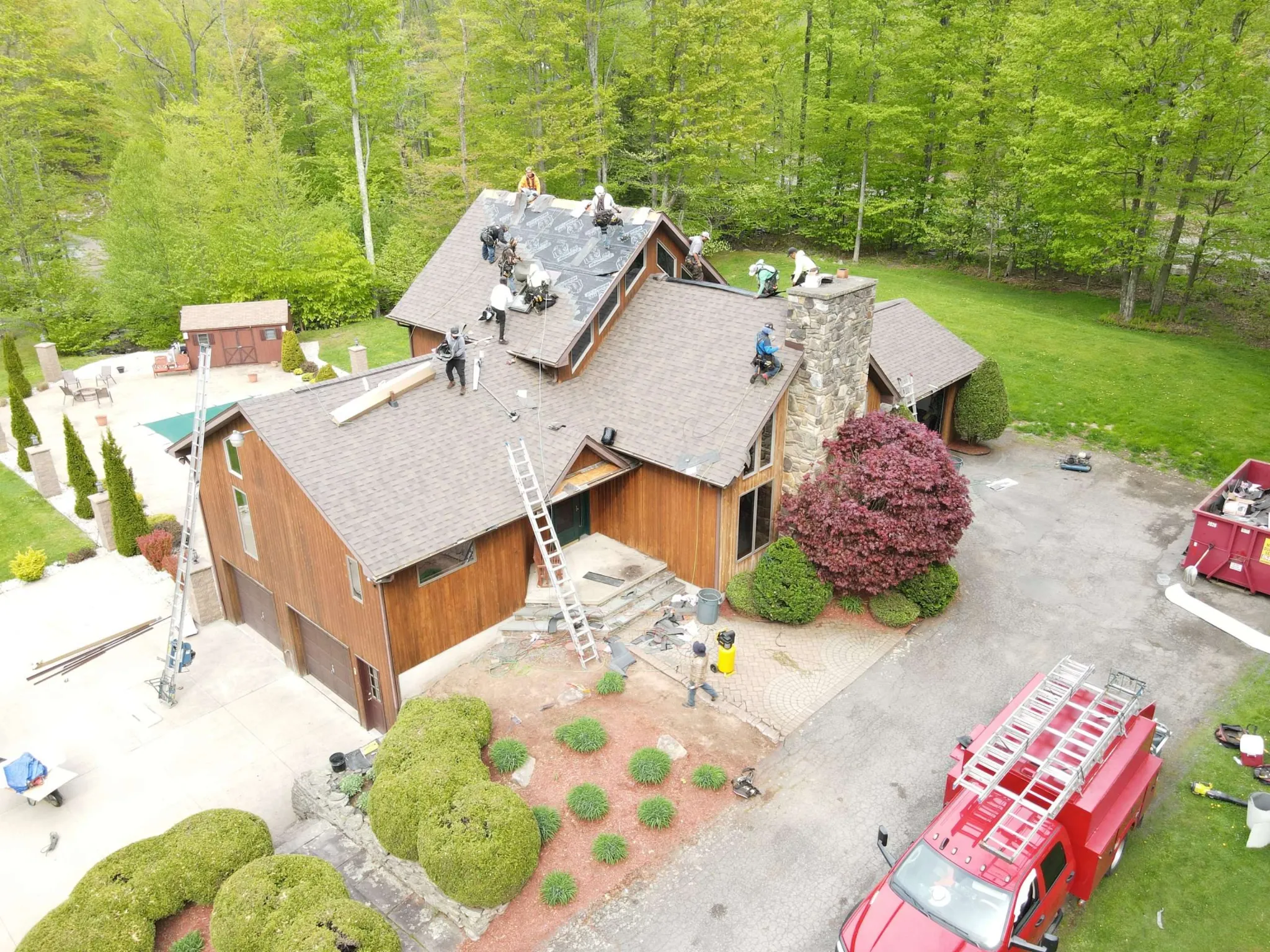
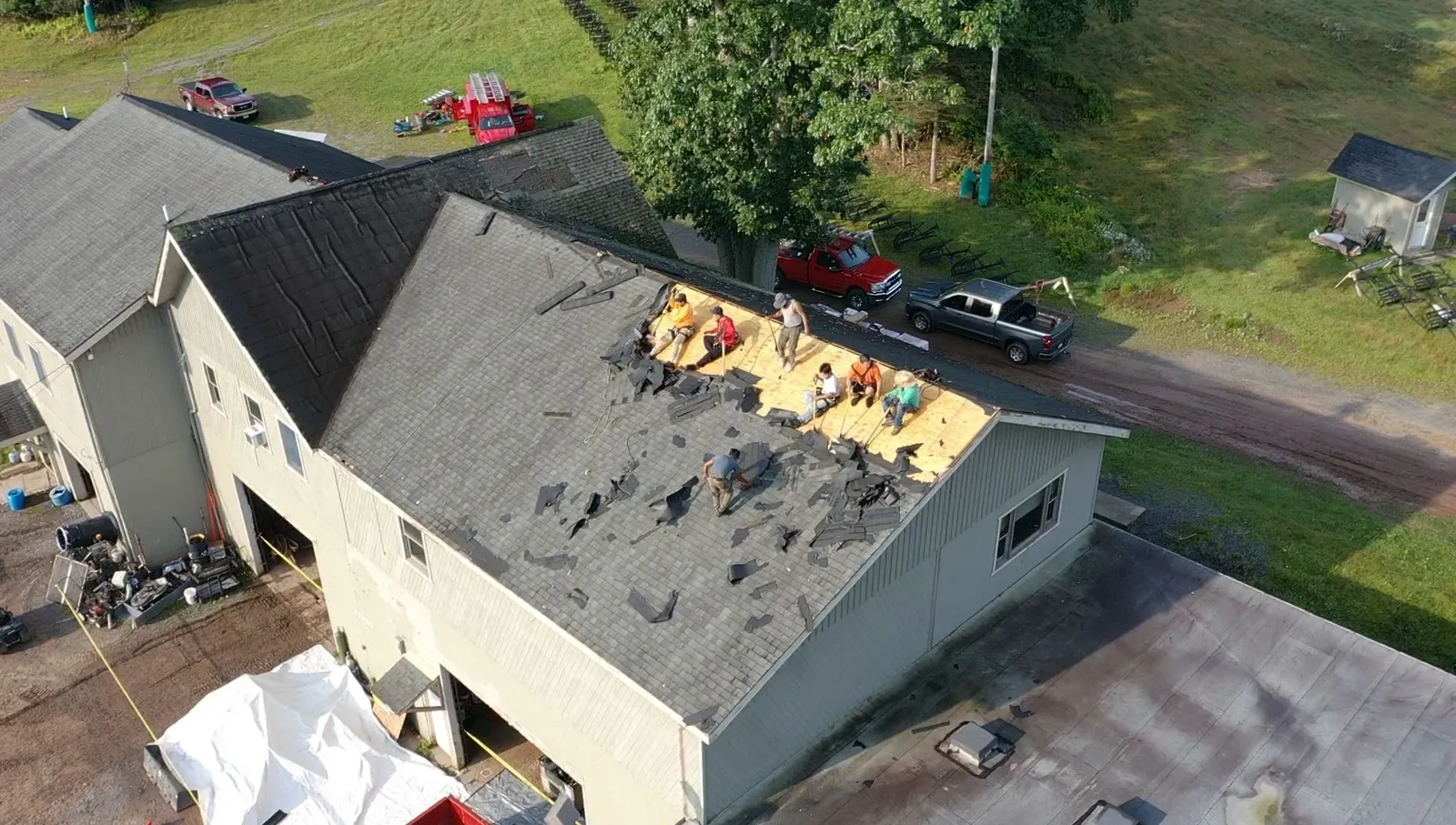
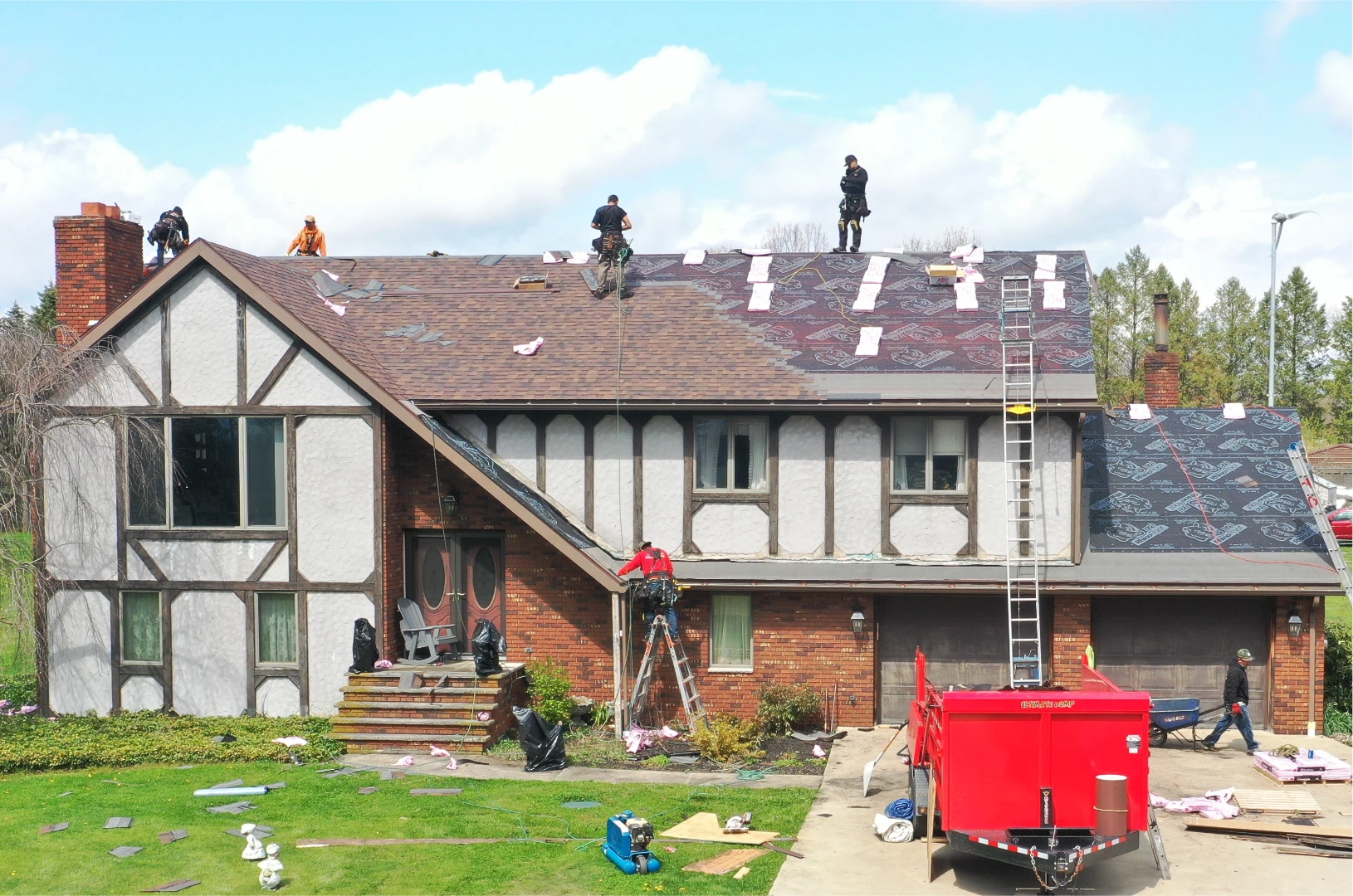
Now the honest case for asphalt, because it's a strong one. Architectural shingles cost meaningfully less up front, come in a wide range of colors and profiles, and go on faster. Repairs are simpler, too — a shingle damaged by a falling limb is a straightforward swap, while matching and replacing a metal panel is a bigger job. And the payback question matters: metal's advantage compounds over decades, so if you expect to move within a handful of years, you may be buying longevity the next owner enjoys and you never do. For most homes and most budgets, a well-installed residential asphalt roof built for our climate is the right answer — which is exactly why it's still what most of our neighbors choose.
On cost, we'll give you the shape of it rather than numbers, because every roof prices differently. Metal costs more up front — the material costs more, and the installation is specialized, more deliberate work. What changes the picture is time: over the decades one standing-seam roof is on your home, an asphalt roof may need to be replaced once or even twice, each time at that decade's prices, tear-off included. Add the summer energy savings from reflected heat, and metal is often the better value over the life of the home — it's just paid for differently. If the up-front difference is the only thing in the way, roofing financing exists for exactly that.
So which should you choose? It comes down to horizon and house: how long you plan to stay, the shape and pitch of your roof, the look you want, and the budget you're working with. If you're staying put — especially in the higher parts of the region that catch the most snow — metal is hard to argue against. If value now matters most, asphalt done right will protect your home through plenty of winters. Tell us about your roof and we'll come take a look, walk you through both options on your actual house, and give you a straight recommendation either way. The estimate is free, on-site, and specific to your roof — not a national average.